The Vega upgrade is live. Data portability is now first class on Vana.
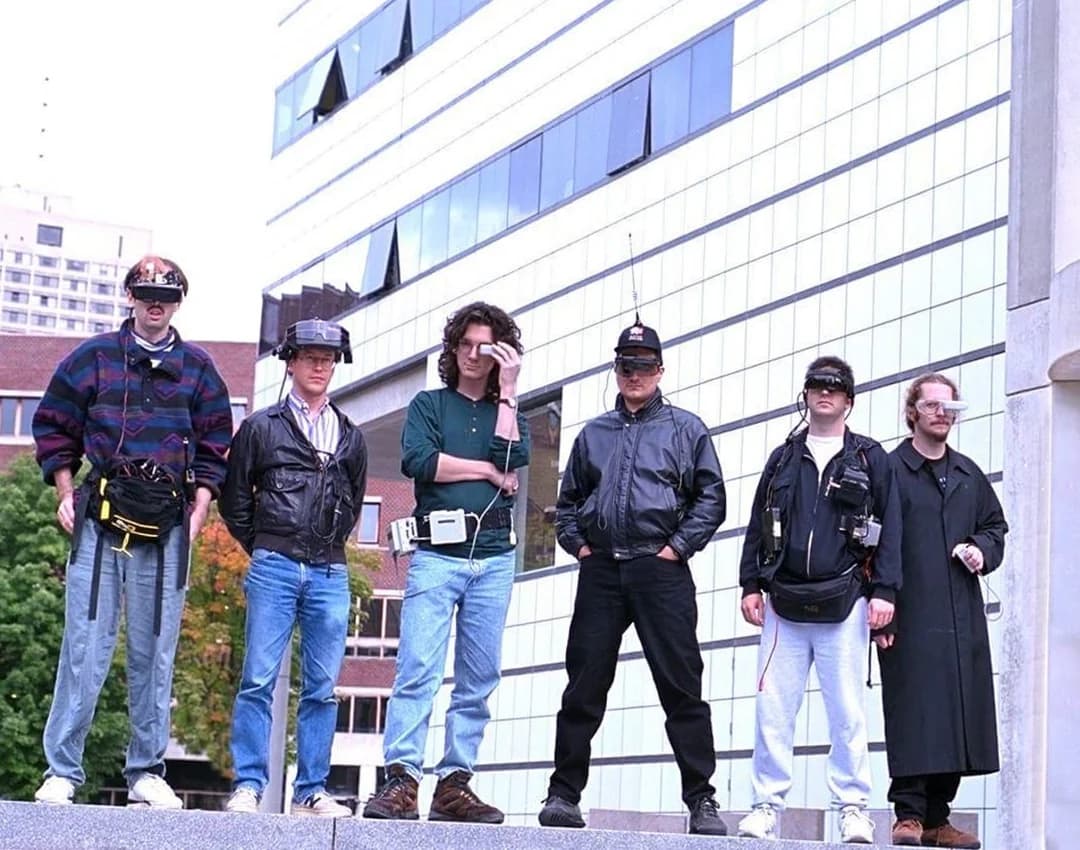
Vana comes out of the MIT Media Lab, a place that has spent thirty years building strange, decentralised things before anyone else thought they were sensible. People were wearing computers there in the 1990s.
It is the same school of thought that Tim Berners-Lee, the inventor of the web, brought to MIT with the Solid project, which set out to give everyone control of their own data online. It is the school of thought that shaped the Vana protocol.
Vana carries one idea from it. The value of a person's data should go to the person who created it. Your data stays with you. An app or an AI reads it only with your permission. Every read is recorded, and you can take the permission back at any time.
Most people know Vana for the first way it put that idea to work: Data Collectives, where people pool their data into sets AI could not get any other way, and share in what the set earns. That is aggregation, and it serves the crowd.
Underneath aggregation sits the thing the network was built on at MIT: portability. A person's data moves, under their permission, with a record. Aggregation is portability done by many people at once.
Portability on its own is one person's data moving to an app or an AI that person chose, and being used for them. Your health records to your doctor's assistant. Your purchase history to the agent doing your shopping. That serves you.
On 21 September Vana completed the Vega upgrade, a rebuild of how the network handles permissions, so that data portability runs at the speed AI needs.
Aggregation built the network. The market asked for portability itself.
Aggregation is how Vana was bootstrapped: 1.5 million users, more than 20 million transactions, and more than 100 apps and data pools built by the community. All of them are still running and still earning.
Then the market moved, and it moved towards portability itself. The models got good. Once every model could reason well enough, what set a useful answer apart was no longer the model but its context: what it knew about the person asking. And that lives in the services where the person created it.
AI agents arrived. An agent acting for you reads your context, the things about you that make its answer fit you, before a task and writes the result back afterwards, under a permission you gave once, thousands of times a day. Every one of those interactions is a data transfer.
People started carrying their own context. When people left ChatGPT for Claude this year, some opened the Vana app, connected their ChatGPT history, and Claude knew them on day one.
Builders and companies followed. More than 40 data portability apps shipped through the Vana Cup, the launch campaign for the data portability beta, within a month. Bush & Noble, a yacht brokerage, made its inventory readable to a buyer's AI on Vana.
Institutions needed a way to implement data portability, not just a policy that says they should. So Vana wrote one. The Personal Data Portability Protocol is the first open standard for how personal data moves, and Vana contributed it to the Linux Foundation to host. Regulators can point to it and companies can build on it, which makes Vana the gold standard for portability. Governments in several regions are already scoping national implementations of Vana.
All of them want the same thing. The Vega upgrade moves data, under users' permission, as fast and as simply as on the platforms they already use.
What the Vega upgrade does
We committed to the Vega upgrade in our January roadmap, when the first signs of how much portability would matter were already showing. Portability is built on two core concepts: grants and operations.
A grant is a permission: who can use which of your data, for what, and for how long. Issuing it, using it and revoking it are each recorded, so there is always an answer to "who was allowed to read this, and when".
An operation is an answer computed from your data and shared without the raw data. An app can ask how you slept last week and get a number, with a record of where it came from, and never hold the week of sleep data.
Vana is the network behind both. It records every grant and every revocation, so the permission is always on the network and never in an app's hands. It holds the keys, so nothing, including your own personal server where the data is computed, can decrypt your data without a valid grant. And it moves the data when the grant says it can.
After the Vega upgrade, Vana does all of that in about 50 milliseconds end to end in production. That is fast enough for an agent to ask, be allowed, read and act in one motion.
An app can also pay the fees for its users. So a person can use an app built on Vana without holding tokens or paying per read, and never needs to know there is a chain underneath.
What keeps the network running
Every read of a person's data under a live grant carries a fee. Reads grow with how much the network is used, not with how many people sign up, so the network's income grows with use.
VANA is the token the network runs on. Fees are paid in VANA or in stablecoins such as USDC, and people stake VANA, meaning lock it up, behind the operators, the businesses that run the machines carrying the data. Those fees fund the operators and the people who stake behind them: stakers are paid from the fees the network earns. The supply of VANA and the rate at which new tokens are issued are unchanged by the upgrade.
The next two weeks
The upgrade is the start. Over the next few weeks, we will release further details on what it means for stakers, and then for the community that got Vana here. Keep an eye on our X account or join our Discord for early announcements: X, Discord.
Read it
How Vana works, the original whitepaper and today's addendum are at vana.org/learn.
The addendum, The Vega Upgrade: Data Portability and Transformations, sets out the grants, operations, encryption and fees in full. The original whitepaper is at vana.org/papers/vana-whitepaper-dec-2024.pdf.